

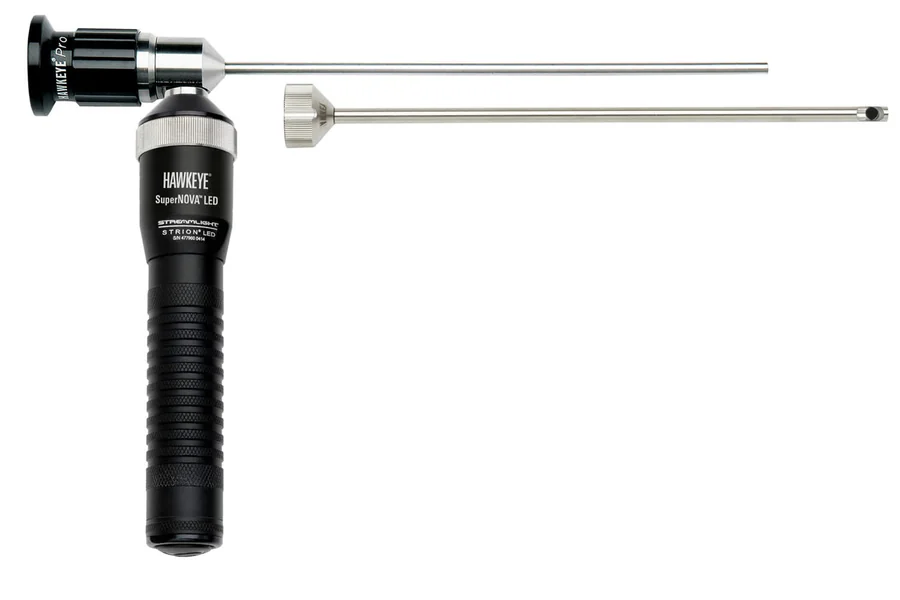
Key Takeaways
When it comes to machinery inspections, rigid borescopes really revolutionize the game. They let you see clearly into those tricky spots, stopping potential breakdowns that might come from unnoticed problems.
You see, rigid borescopes provide much better image fidelity and stability than flexible ones, which makes them indispensable for precise diagnostics.
Industries like automotive and utilities are saving a boatload of cash by employing rigid borescopes. They can detect issues early without the hassle of taking everything apart.
Picking the right rigid borescope is all about understanding your specific needs, including things like diameter size, field of view, and lighting features. These factors can really influence the outcome of your inspections.
Don’t forget, maintenance for rigid borescopes is essential! If you keep them clean and store them properly, you’ll extend their life and improve the quality of the images they produce.
When you’re shopping, don’t skip over the warranty details. Believe it or not, lots of warranties come with sneaky exclusions and limitations that could mess with your coverage.
Don’t underestimate the impact of essential accessories, like extended lighting kits and image capture software. They can greatly boost how effective your rigid borescope will be during inspections.
Why Rigid Borescopes Are a Big Deal in Inspection
The Dark Corners No One Talks About
Let’s be real: when inspecting machinery, pipelines, or engines, those hidden dark corners can become costly nightmares. You might think you have it covered, but without the right gear, crucial problems can slip through the cracks. That’s where rigid borescopes come in. They light up those difficult-to-reach areas, and honestly, it’s a game changer. Just picture trying to diagnose an engine problem without a clear view of the combustion chamber. Not exactly a walk in the park, right? With a rigid borescope in hand, I can dive into tight spaces and catch issues before they blow up.
For example, I was recently involved in a situation with a manufacturing unit that was experiencing constant breakdowns. Everyone assumed it had to do with the supply chain, but after just a quick peek inside with a rigid borescope, we uncovered a massive buildup of debris in the bearings. That simple discovery saved the company a ton of money and a heap of downtime. Still, a lot of people tend to overlook how vital top-notch inspection tools can be.
How They Outperform Other Inspection Tools
Let’s compare for a second. Sure, you can use flexible borescopes or even endoscopes, but do they stack up the same way? In my book, rigid borescopes provide unmatched image clarity and stability. They don’t bend like those flexible versions, so I can take accurate measurements without dealing with any distortion. This level of precision isn’t just a perk; it’s crucial when you’re diagnosing complex issues.
Here’s a quick list of reasons why rigid borescopes are the top choice:
- High-Quality Optics: Expect sharp, clear images every time.
- Sturdy Construction: Built for heavy-duty work.
- Ease of Use: Less manipulation is required in cramped spaces.
From my experience, having a rigid borescope on hand decreases the chances of missing critical flaws – and that’s a gamble you don’t want to take. The technology has seriously advanced; the image clarity and lighting are incredible. Honestly, sometimes I feel like I’m using a high-end telescope instead of just performing an inspection.
Real-Life Applications and Success Stories
The benefits of these tools are staggering across various industries. Take automotive, for instance – manufacturers are using rigid borescopes for everything from engine checks to quality control assessments. Rather than dismantling engines, these devices allow for quick diagnoses. A friend of mine at a local garage told me he saved a client thousands by simply using a rigid borescope to inspect a suspected oil leak. Imagine that kind of savings!
And then there are utilities. Without a rigid borescope, trying to inspect old pipes or ductwork feels like searching for a needle in a haystack. I’ve seen projects where entire underground systems were maintained just because technicians could visualize the problems firsthand.
Statistically, inspections that leverage rigid borescopes result in a 40% reduction in repair costs.
With a camera head as tiny as 1mm, practically no space goes unchecked. Combine that with powerful LED light sources, and you’ve got a true powerhouse tool. You really can’t argue with results like these.
Choosing the Right Rigid Borescope: My Top Trade Secrets
What Makes a Rigid Borescope a Must-Have
Here’s the scoop: not every rigid borescope is cut from the same cloth. It’s vital to find one that fits your unique needs. Personally, I assess some key parameters that separate a good tool from a waste of money before making a purchase. Seriously ask yourself: What do I really need? This should be your guiding principle. Are you looking at larger areas, or are you honing in on tiny details?
After many discussions with fellow experts, I’ve narrowed it down to a handful of must-have qualities:
- Diameter Size: Smaller diameters work wonders for tight spaces.
- Field of View: A wider field can cover larger inspection zones at once.
- Lighting Features: Look for a borescope with adjustable lighting options.
Choosing the right tool can significantly affect your workflow and overall outcomes. Trust me; I’ve learned this the hard way.
Features to Look For and Mistakes to Avoid
You’d be shocked at how many buyers skip essential features when selecting a rigid borescope. It’s almost laughable, but we all slip up. So let’s cut to it – here’s what you really need to keep an eye on:
- Resolution: Aim for at least 720p. Nobody has time for blurry images.
- Length of the Scope: Think about how deep you may need to inspect.
- Durability: Harsh environments demand tough tools. Make sure yours is built to withstand the rigors.
Don’t make the mistake of buying just based on price; it could lead you down a path of regrets. I’ve been there too. Far too often, people get lured by that shiny, budget option, only to find it lacks the durability or clarity needed for meaningful inspections. This isn’t the moment to cut corners!
Diving Deep Into Lens Options: What You Need
One feature that often flies under the radar when it comes to rigid borescopes? Lens options. You might be surprised at how much they can vary. From standard lenses to high-definition choices, the lens can significantly influence your inspection experience. Picking the right lens is more important than you think.
In general, the options can be broken down into a few key types:
- Standard Lenses: Good for everyday inspections.
- Wide-Angle Lenses: Ideal for larger areas or tighter corners.
- Macro Lenses: Perfect for closely examining intricate details.
Each lens has its unique role. I usually recommend sticking to a versatile lens for general use, but don’t hesitate to explore specialized lenses if your project demands it.
Here’s a serious question: Are you ready to conduct accurate inspections with minimal hassle? If not, prioritizing lens options should be at the top of your list when making a purchase.
Common Pitfalls: What I Wish I Knew Before Buying
Overlooking Maintenance: A Costly Mistake
I once heard someone joke that borescopes were just “set and forget” tools. Well, let me tell you, that couldn’t be more off-base! Neglecting maintenance could lead to some outrageous costs, wasting both time and resources. Simple cleaning habits can greatly extend your equipment’s life. Just wiping the lens and checking the light source can prevent huge headaches down the line.
Here’s a quick maintenance checklist for your rigid borescope:
- Regular Cleaning: Wipe all optical surfaces clean.
- Calibration: Make sure the unit is performing as it should.
- Storage: Keep it in a controlled, safe environment.
I can’t stress enough how crucial maintenance is, both for longevity and for the quality of your inspections.
Ignoring the Fine Print: Warranty Traps to Avoid
Ever bought something, thinking, “I’m covered!” only to find out you’re not? Warranty traps can be crafty. Companies often promote long warranty periods that sound fantastic, but a closer look reveals hidden stipulations. Before you hand over your cash, take the time to read every detail. Many borescope warranties come with exclusions you wouldn’t believe.
Keep an eye out for these warning signs:
- Exclusions: What’s not included? More often than not, it’s damaged from normal wear and tear.
- Short Window: Some warranties might not be as long-lasting as you’d hope.
- Transferability: Can you transfer the warranty if you sell the unit?
Many people choose to ignore this part, but I promise you – the details matter.
Your Checklist to Ensure You Don’t Get Burned
Before committing to a rigid borescope, here’s an easy checklist to ensure you stay on track. Bring this along when you’re shopping or comparing products:
- Inspect User Reviews: Look through what others have experienced.
- Understand Your Needs: Which specific features really matter for you?
- Check Warranty Terms: Go over the fine print! Skipping this step isn’t wise.
- Utilize a Reputable Supplier: This is a must. It always pays off.
Trust me, having a checklist handy can save you from making costly errors and dealing with buyer’s remorse.
Opening up the Full Potential of Your Rigid Borescope
Accessories That Make a Difference
You’ve made a smart investment in a rigid borescope – great choice! But here’s the thing: to really unlock its full potential, think about accessories that can elevate your experience. Just like a skilled chef has top-notch knives, you need the right tools for peak performance.
Here are a couple of must-have accessories to keep in mind:
- Extended Lighting Kits: Perfect for those notoriously dim spots.
- Image Capture Software: Ideal for archiving and analyzing images later.
- Protective Carry Cases: Keeps your equipment safe during transport. Always a smart move.
I’ve seen firsthand how the right accessories can absolutely transform the effectiveness of your inspections. Don’t underestimate their value!
Techniques for Getting the Best Results
We all know technology can sometimes be finicky. So, I always suggest refining a few techniques that guarantee your inspections produce the best possible results. Even top-tier tools can underperform if you don’t approach them correctly.
To start with:
- Stabilize the Device: A tiny movement can ruin everything.
- Adjust Lighting: Play around with different light levels until you find the sweet spot for your situation.
- Take Multiple Angles: Sometimes, a single perspective isn’t enough to catch all the key details.
Implementing these techniques will undoubtedly boost the quality of your inspections.
Assessing & Troubleshooting: What to Do When Things Go Wrong
You’ve laid the groundwork, set up your rigid borescope, and you’re all set to inspect. But then, just like that, something goes wrong. Don’t panic; being able to troubleshoot effectively can be a game changer. I often remind myself that there’s always a solution to every issue.
Here’s a common troubleshooting checklist that can come in handy:
- No Image? Check the cable connections and power supply.
- Blurry Image? Clean the lens and ensure your stabilizing handle is secure.
- Lights Flickering? Look at the batteries or the power source.
Staying methodical in your approach will help minimize downtime. Even the best equipment needs periodic check-ups.
In the inspection world, rigid borescopes are priceless. They provide invaluable insight, helping you address issues before they spiral out of control. By knowing how to choose the right one, dodge common pitfalls, and fully utilize this tool, you’ll elevate your inspection capabilities. So go ahead and tackle those dark corners. With a rigid borescope in hand, they’re no longer a lurking danger!
FAQ
What are the primary industries benefiting from rigid borescopes?
Industries like automotive, aerospace, and utilities are absolutely loving rigid borescopes. They’re used for everything from engine checks to inspecting old pipelines, significantly cutting down on downtime and repair expenses.
How do rigid borescopes compare to other diagnostic tools?
To put it simply, rigid borescopes shine where flexible borescopes and traditional endoscopes fall short. They provide sharp, clear images vital for accurate diagnostics, plus they’re tougher and simpler to handle in tight spots.
Can I use a rigid borescope for non-industrial purposes?
You bet! While many people employ them in industrial settings, hobbyists and DIY enthusiasts can reap the benefits, too. Whether you’re checking out a vintage car or inspecting plumbing, these tools are highly versatile.
What are some unexpected challenges when using rigid borescopes?
Interestingly, lighting can turn into a trial-and-error process. You may find yourself making adjustments more frequently than anticipated. Stabilization can also be a tricky aspect; even the tiniest movement can throw off your results.
Is it worth investing in high-end options?
In my view, putting money into a high-quality rigid borescope pays off. The precision, image quality, and durability of top-tier models can save you a world of headaches down the road. Cheaper options often lead to frustration and poor results.
How do I ensure my borescope remains in good condition?
Like anything else that’s valuable, maintenance is critical. Regularly clean optical surfaces and store your borescope properly. Make it a habit to check calibration and functionality before each use; simple upkeep can extend its life significantly.
What are some common mistakes first-time buyers make?
Forgetting to consider features that suit your specific needs is a big one. Many people get captivated by flashy models but neglect crucial aspects like diameter size and field of view, leading to serious buyer’s remorse.
Can accessories enhance my rigid borescope’s usability?
Absolutely! Accessories such as extended lighting kits and image capture software can raise your inspection capabilities. They help enhance the reliability and efficiency of your rigid borescope, making the entire experience much smoother.
