

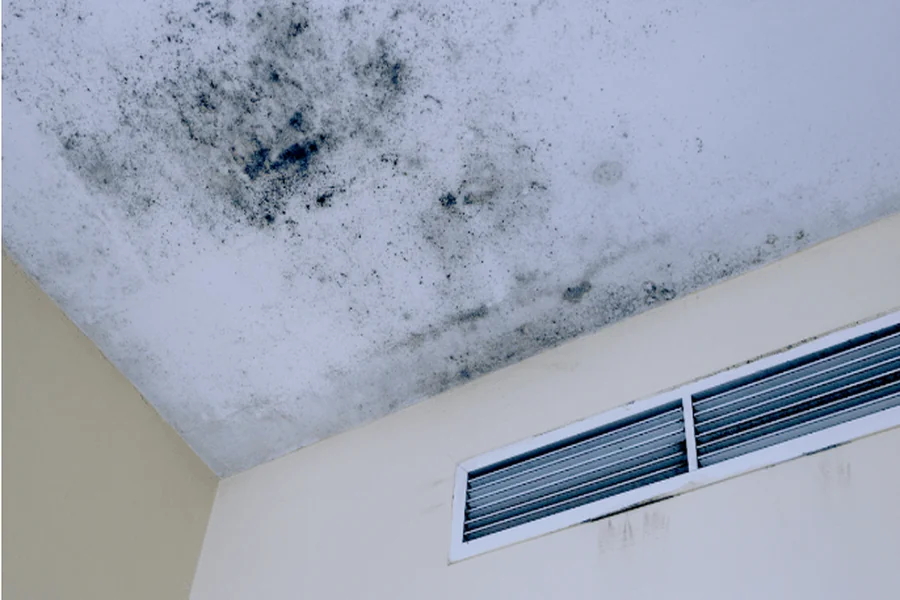
If you’ve recently spotted black mold in your South Florida home—those dark, fuzzy patches on walls, ceilings, around windows, attics, or in the bathroom—you’re not alone. In South Florida, the humidity levels often stay pretty high year-round, often pushing indoor levels well over 60%. Now, combine that with frequent rains, leaks from roofs or plumbing, or poor ventilation after storms, and it creates the perfect conditions for mold to take hold fast. Black mold (often Stachybotrys chartarum) thrives in Florida (ranked #2 in the US) more than almost anywhere else in the country.
The key thing is not to ignore it or try covering it up with paint. You will need to get it properly and professionally removed—and soon. Here are 10 solid reasons why acting quickly to remove black mold at home makes a real difference for your family’s health, your home’s condition, and your wallet.
- It can seriously affect your breathing and overall health
Exposure to black mold spores often triggers allergy-like reactions: persistent coughing, sneezing, runny nose, itchy or watery eyes, and throat irritation. For many people, it leads to wheezing or shortness of breath. If anyone in your household has asthma, allergies, or a compromised immune system, symptoms can escalate quickly and feel much worse. - Vulnerable family members face higher risks
Kids, older adults, pregnant women, and anyone with chronic respiratory conditions or weakened immunity are especially susceptible. Mold can worsen existing conditions or cause more intense reactions, including fatigue, headaches, and skin rashes that don’t go away easily while you’re still living in the space. - Longer exposure often means tougher symptoms
The longer mold stays and spreads, the more spores get into the air you breathe every day. What starts as mild irritation can turn into chronic issues like ongoing sinus problems, persistent fatigue, or even neurological complaints such as trouble concentrating—things that make daily life harder. - Mold spreads incredibly fast in our climate
In South Florida’s warm, humid environment, mold colonies can double in size within days once they have moisture. A small spot behind the shower can turn into a widespread problem under drywall or in the attic before you know it, making remediation more extensive and expensive. - It keeps coming back if the moisture source isn’t fixed
Simply scrubbing visible mold won’t solve anything long-term here. Our high ambient humidity and frequent water intrusions mean the underlying dampness has to be addressed—leaky pipes, poor AC drainage, roof issues after a storm—or the mold will reappear quickly, often worse than before. - Your home’s structure takes a hit over time
Mold feeds on organic materials like drywall, wood studs, insulation, and even carpet padding. Left unchecked, it weakens those materials, leading to rot, crumbling drywall, or compromised beams. In attics or crawl spaces, that can mean real structural concerns that require major repairs down the line. - Repair costs climb the longer you wait
A contained mold issue might need targeted removal and moisture control. But once it spreads behind walls, into HVAC ducts, or throughout multiple rooms, you’re looking at full drywall replacement, duct cleaning, and possibly structural fixes. Early action almost always saves significant money. - It can impact your home’s value and insurability
Prospective buyers (or your insurer) often require mold disclosure or remediation proof. Visible or documented mold problems can scare off buyers, lower offers, or complicate insurance claims—especially if it’s tied to repeated water damage, which many policies limit. - Air quality in your home deteriorates steadily
Mold releases spores and volatile compounds into the air, creating that musty smell and making indoor spaces feel stuffy and unhealthy. In a sealed-up Florida home running the AC constantly, those particles circulate everywhere, affecting everyone even if the mold is hidden. - Peace of mind is worth it—especially during our rainy season
Living with mold means constant worry about health symptoms, spreading, or the next big storm pushing more moisture inside. Getting it handled professionally lets you breathe easier (literally) and focus on enjoying your home instead of stressing about what’s growing behind the walls.
If you’re dealing with black mold exposure at home right now, start by stopping any active water source if possible (like a leak), run dehumidifiers to pull indoor humidity below 50%, and increase ventilation with fans or open windows when outdoor conditions allow.
But don’t try major removal yourself—disturbing large areas can release more spores into the air. Bring in a qualified mold remediation specialist familiar with South Florida’s unique challenges and black mold removal. They can assess the extent, identify hidden growth, and handle safe removal while addressing the root cause.
Taking care of this sooner rather than later protects what matters most: your family’s well-being and the home you’ve worked hard for. If you’ve got questions about your specific situation, feel free to share more details—happy to help point you in the right direction.
