

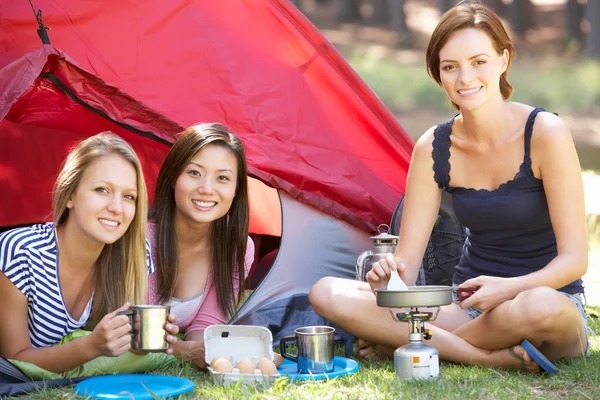
Camping is a wonderful outdoor activity that allows you to connect with nature, unwind, and create lasting memories. However, amidst the excitement of setting up a campsite, it’s crucial to prioritize safety. A well-organized and secure campsite ensures a more enjoyable experience for you and your fellow campers. Whether you’re a novice or an experienced camper, these tips will help you establish a safe and comfortable campsite.
-
Choose the Right Location
Selecting the right campsite location is the first step to ensuring safety. Look for a flat, elevated area that is away from water sources and potential hazards like dead trees or rocky terrain. Avoid setting up camp near animal tracks or areas prone to flash floods. Additionally, adhere to any campground regulations or guidelines to avoid disrupting the local ecosystem.
-
Set Up Away from Fire Hazards
Fire safety is paramount when camping. Pitch your tent at a safe distance from your campfire site, ensuring it’s uphill and upwind from the flames. Clear the area around the fire pit of dry leaves, twigs, and other flammable materials. Always keep a bucket of water or sand nearby to quickly extinguish the fire when needed.
-
Check for Overhead Hazards
Before setting up your campsite, scan the area for potential overhead hazards such as dead tree branches, large rocks, or unstable slopes. These objects could pose a threat in case of wind or storms, so it’s essential to position your tent and campsite away from them.
-
Proper Tent Placement
When setting up your tent, consider its orientation. Point the door away from the wind to prevent rain from entering when the door is opened. Make sure the tent is securely staked to the ground and that the rainfly is properly attached to keep out rain and wind.
-
Food Storage and Waste Disposal
Proper food storage is crucial to prevent encounters with wildlife. Store food, trash, and scented items in sealed containers and place them a safe distance from your sleeping area. Some campsites offer bear-resistant containers. If they’re not available, hang your food in a tree using a bear bag to keep it out of reach of animals.
-
Stay Hydrated
Maintaining proper hydration is essential for your well-being. Carry enough clean water or have access to a reliable water source. If you’re unsure about the water’s quality, use water purification methods such as boiling, using water purification tablets, or using a portable water filter.
-
First Aid and Emergency Preparedness
Pack a comprehensive first aid kit that includes essentials like bandages, antiseptics, pain relievers, and any prescription medications you may need. Familiarize yourself with basic first aid procedures. Additionally, have a map of the area, a fully charged cell phone or satellite communicator, and let someone know your planned itinerary and return date.
-
Respect Wildlife
Observe wildlife from a distance and avoid feeding them. Feeding wild animals not only disrupts their natural behavior but can also pose a safety risk to campers. Keep a safe distance from animals and store your food properly to prevent attracting them to your campsite. Buy semi automatic shotguns online from Palmetto State Armory for security in wildlife.
-
Check the Weather Forecast
Stay informed about the weather forecast for the duration of your camping trip. Being aware of potential storms, temperature drops, or other weather-related changes will allow you to make informed decisions and be prepared for any adverse conditions.
Conclusion:
Setting up a campsite in a safe manner is essential for an enjoyable and risk-free camping experience. By carefully selecting your campsite location, being fire-conscious, properly storing food, and staying prepared for emergencies, you can ensure that your camping adventure is not only exciting but also secure. Remember, responsible camping practices not only protect you but also contribute to preserving the beauty of nature for future generations.
